Sailing Theory
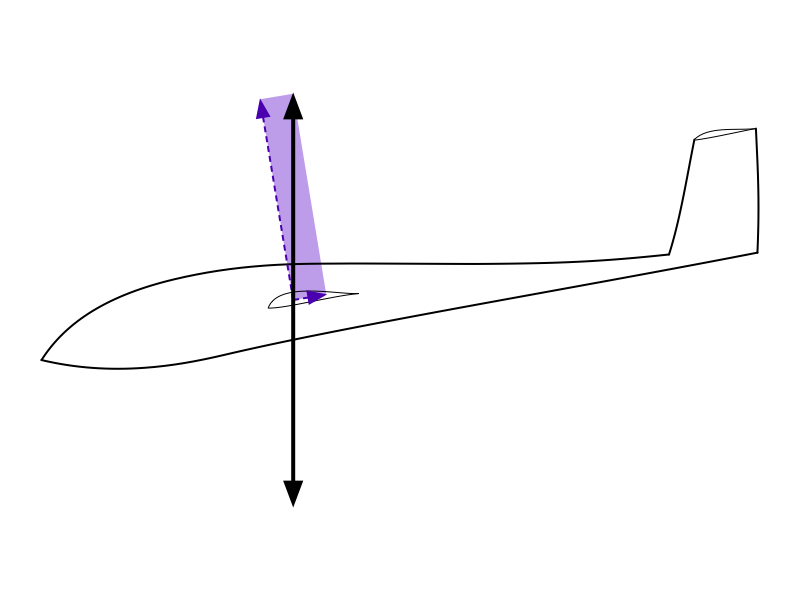
Sailing in Air
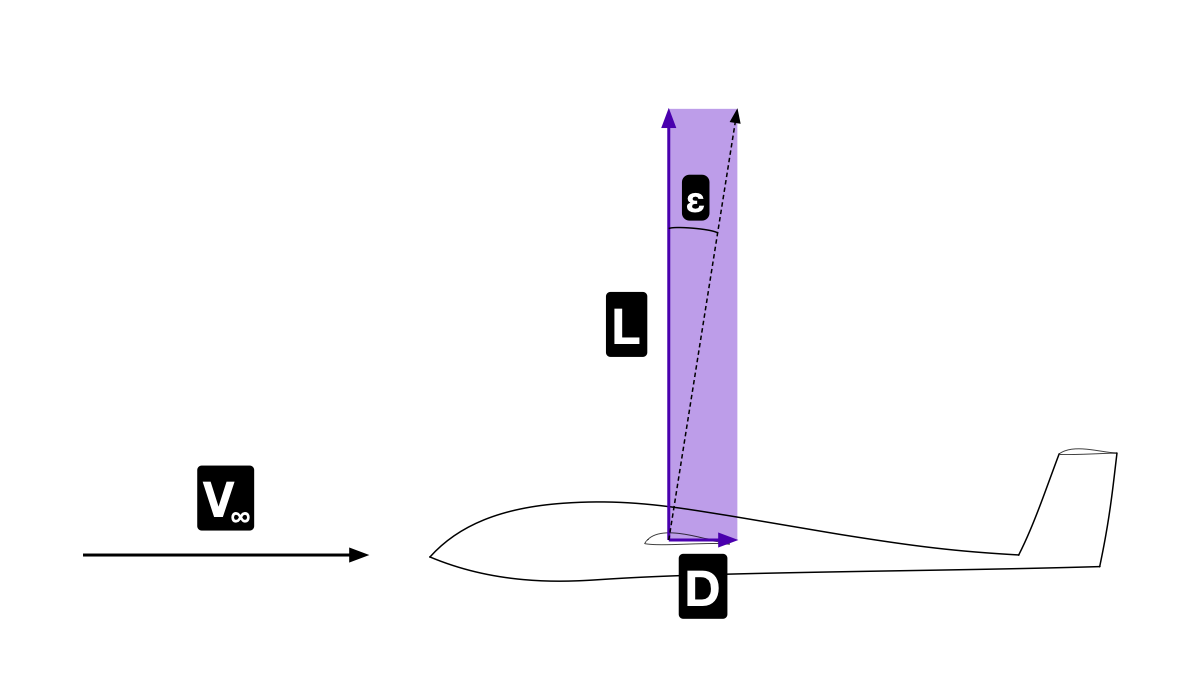
The science of gliding
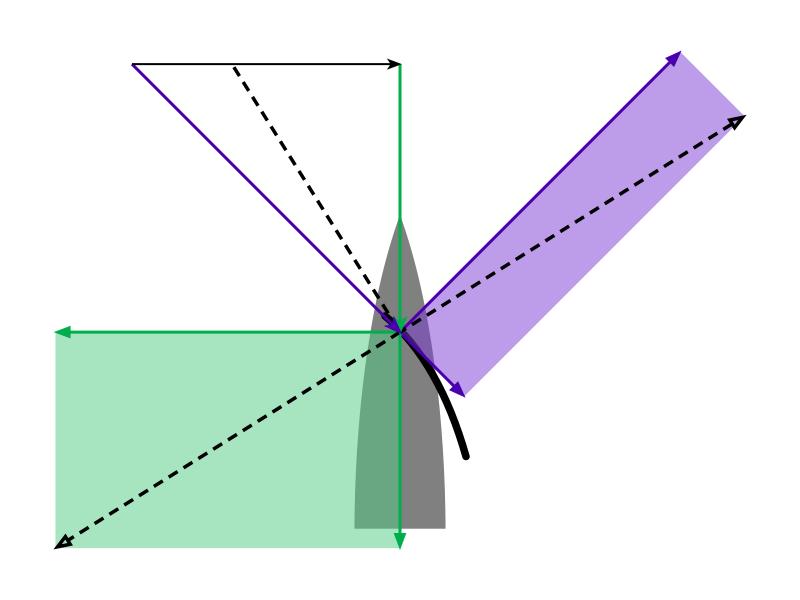
Sailing in Air & Water
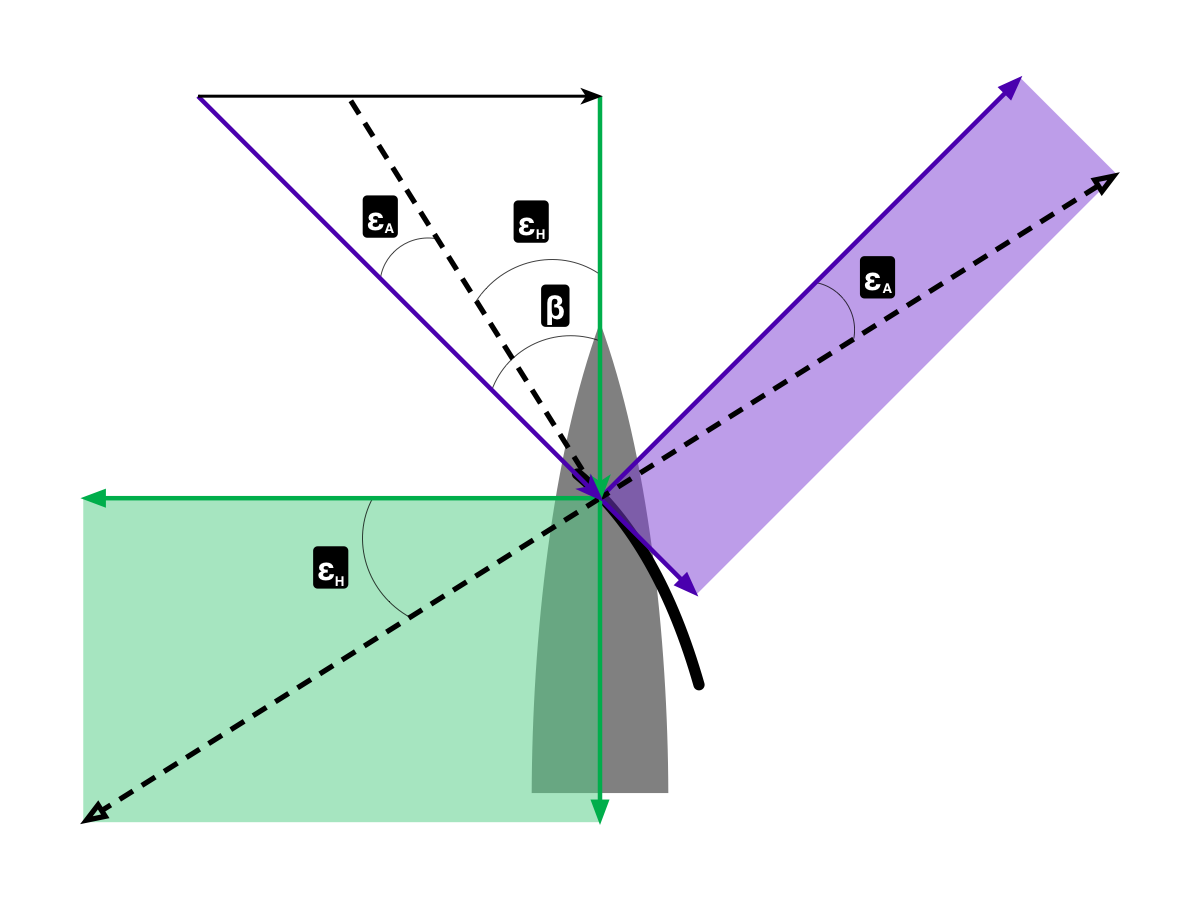
The governing equation
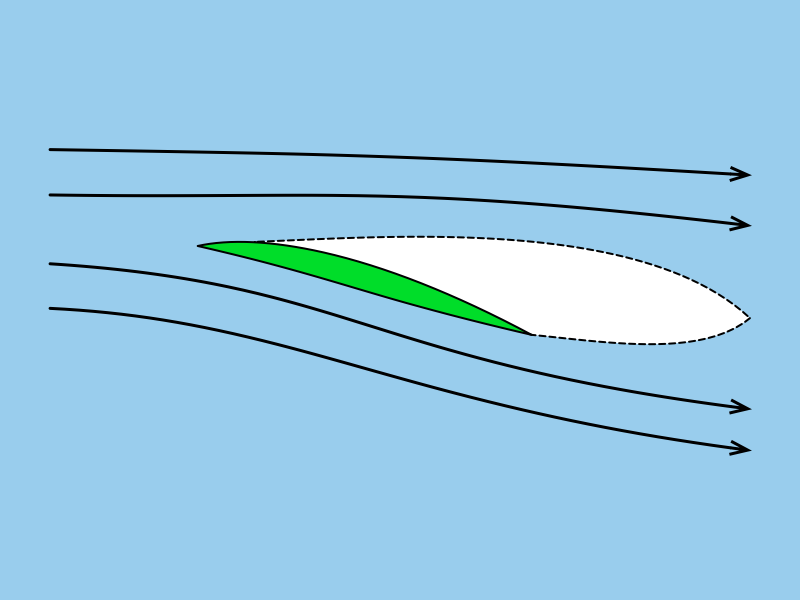
Sailing Past 50 kn
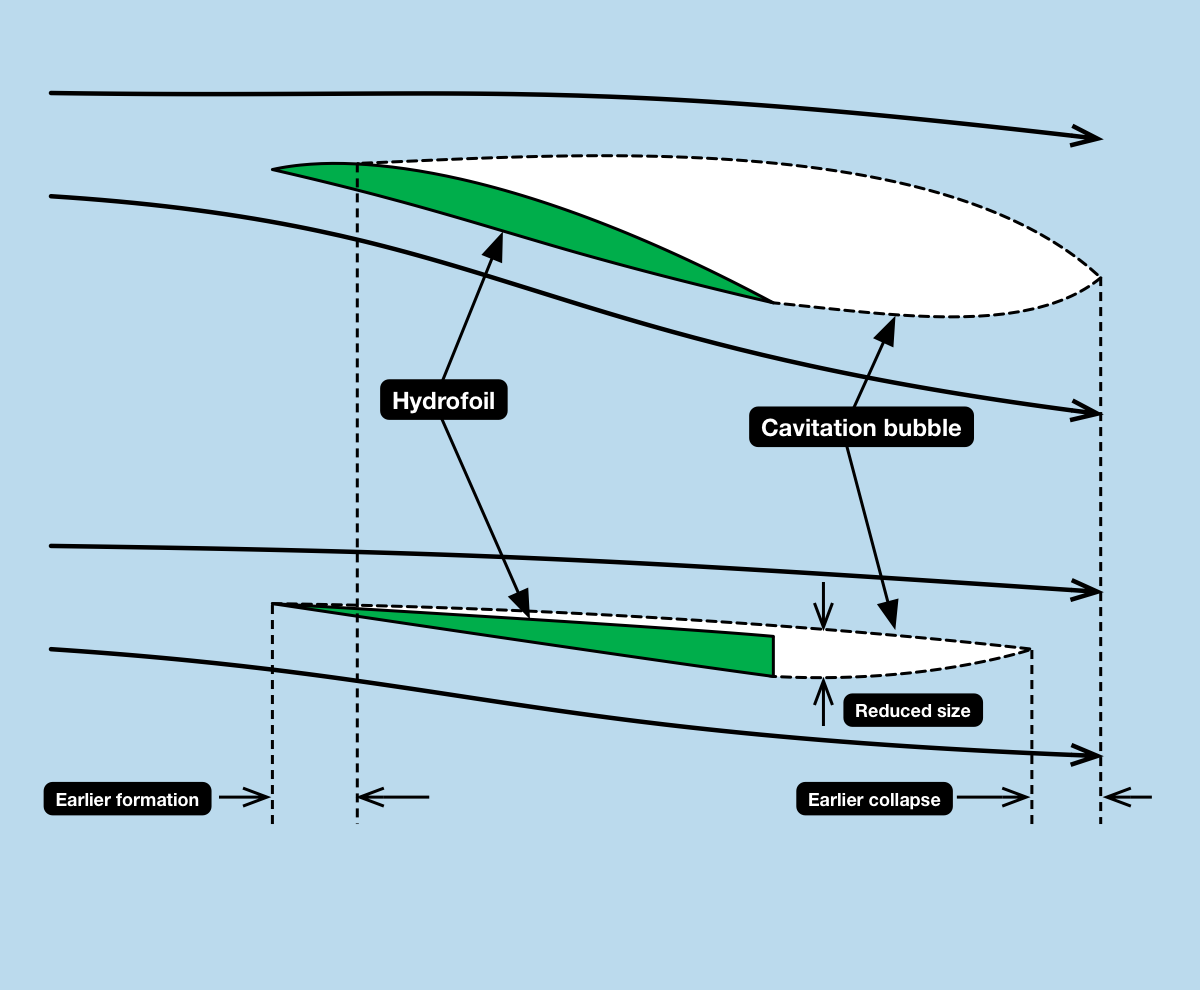
The hydrodynamic problem
The science of gliding
The governing equation
The hydrodynamic problem
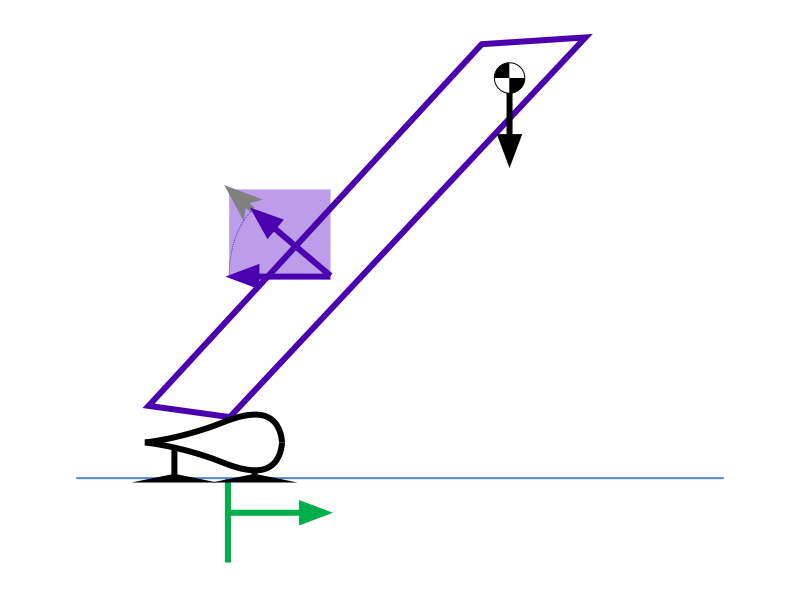
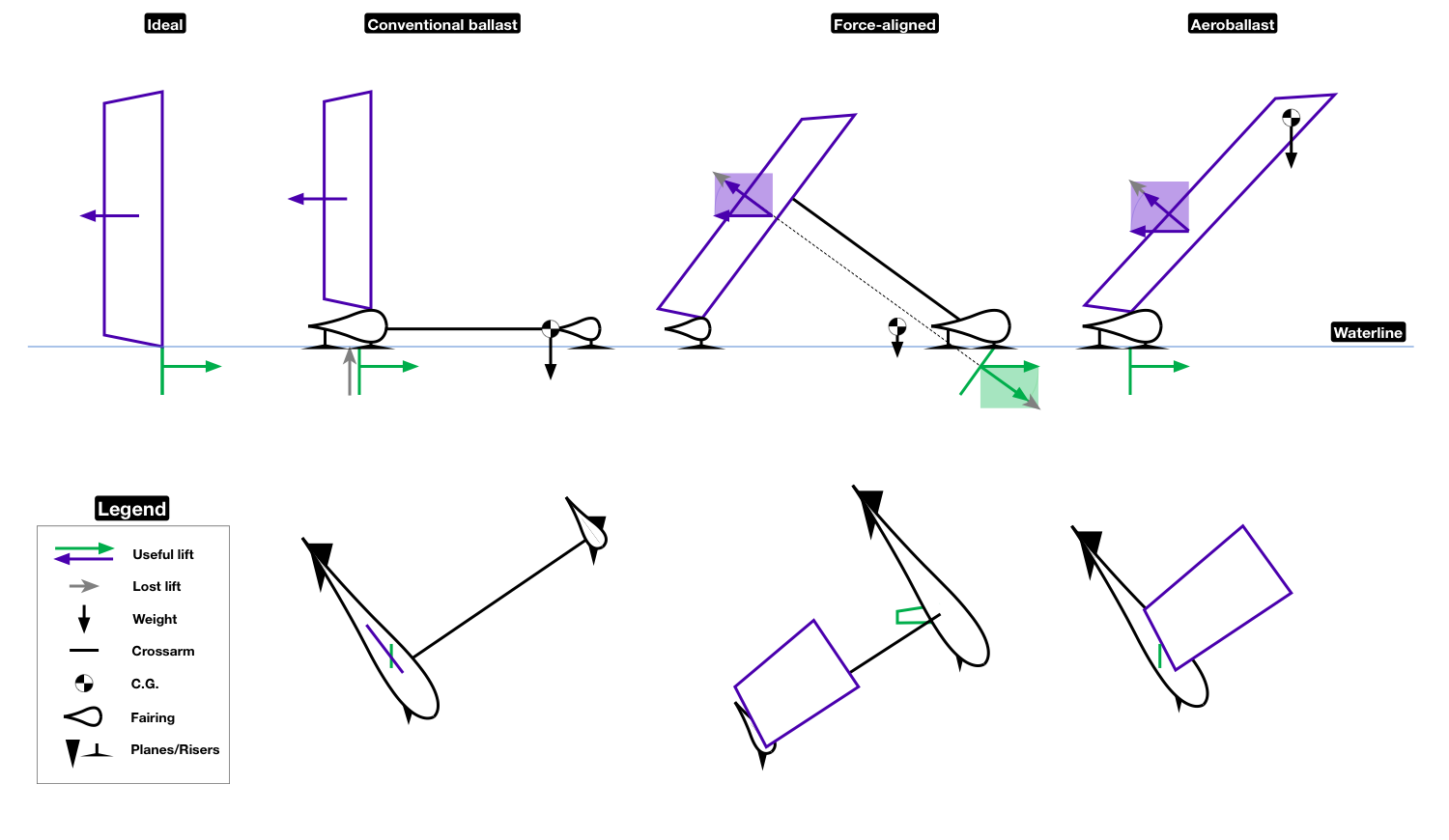
Balancing heel efficiently

Testing on a small scale
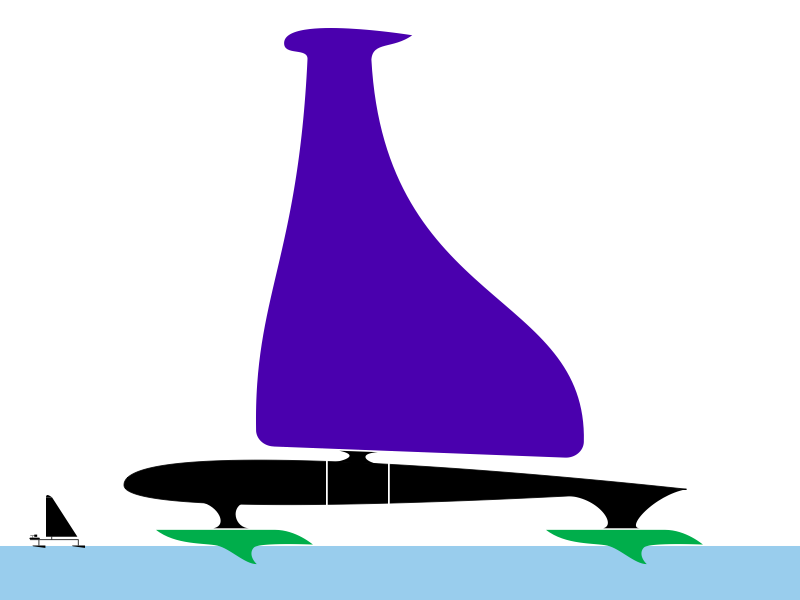
Sustaining record speeds
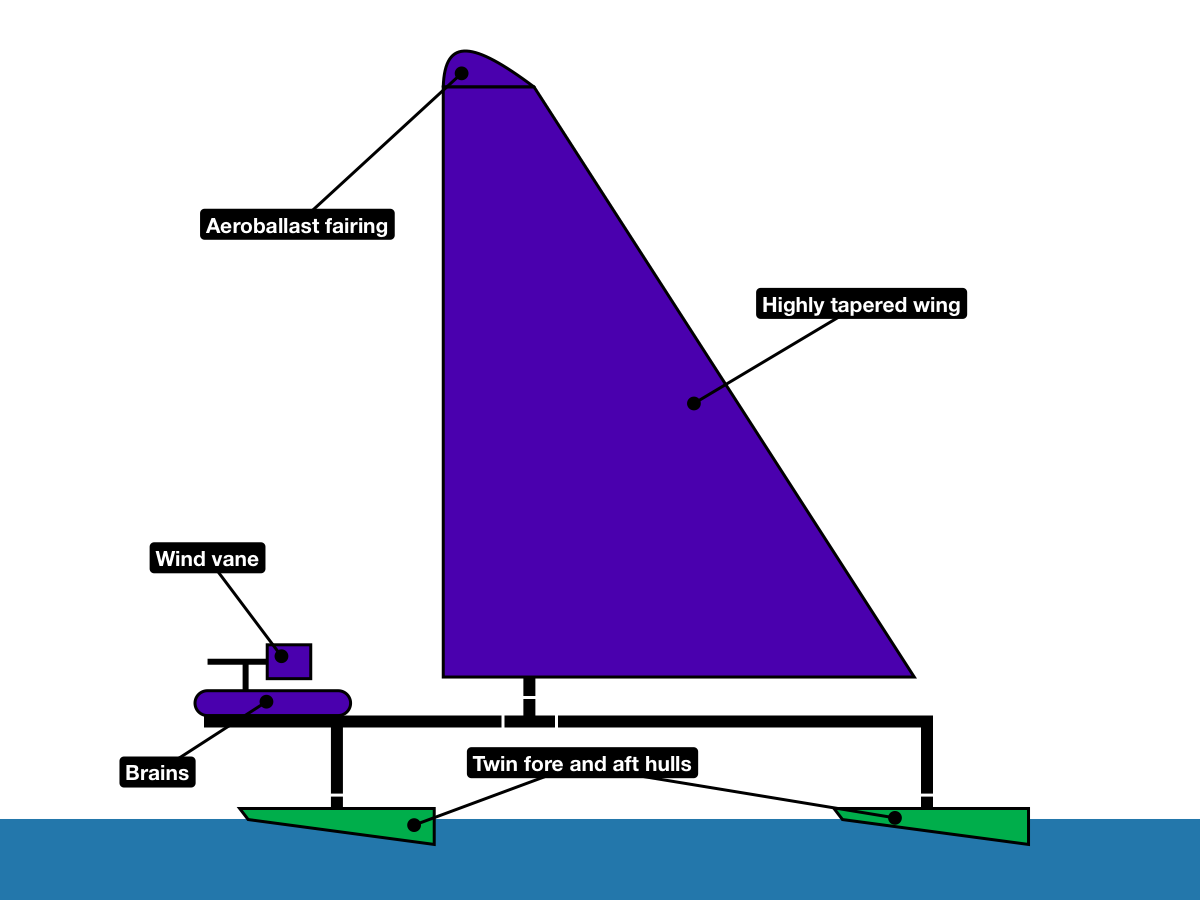
Founded in 2017, Radboat is a family owned business located in Corvallis, OR, specializing in the design and development of high-speed sailboats incorporating a unique balancing mechanism called aeroballast. As of mid-2020, we are evaluating the performance and handling characteristics of this unique concept with a 1:10 scale research model dubbed Cecilia. We are validating and fine-tuning operating concepts in the real world to inform and optimize the structural and mechanical design of our full scale proof of concept Amelia.
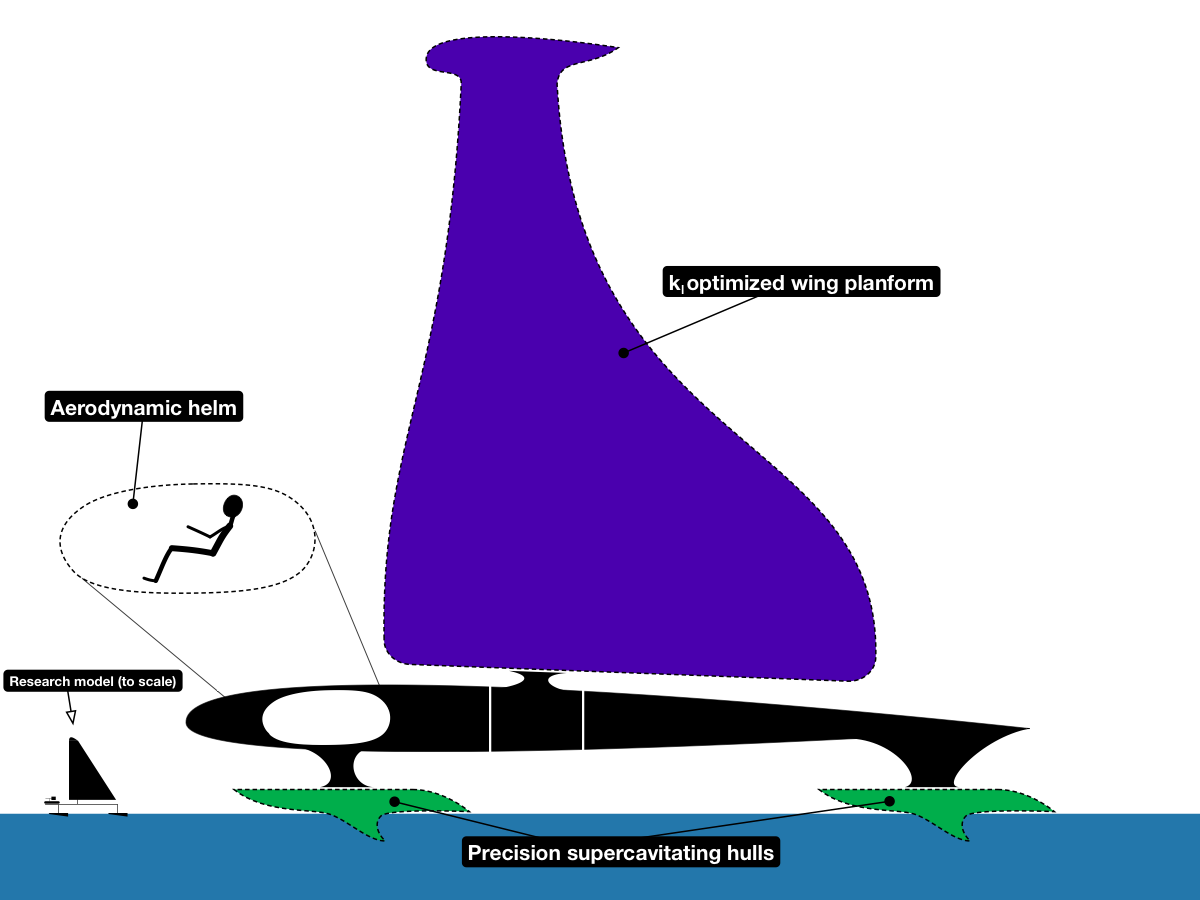
Amelia is designed to be a world's first in the modern sailing arena: a sailboat capable of sustaining supercavitating speeds in the open ocean. Designed for a top speed in excess of 80 kn, she will be built to withstand the heavy wind and sea states encountered offshore at speeds approaching 60 kn. But why do any of this? Aside from the unique design challenge this concept represents, the inherent ability of a boat to go fast means that it is both efficient and easy to sail at any speed. You need not always sail faster than the wind, but the speed is there when you find yourself needing to do so.
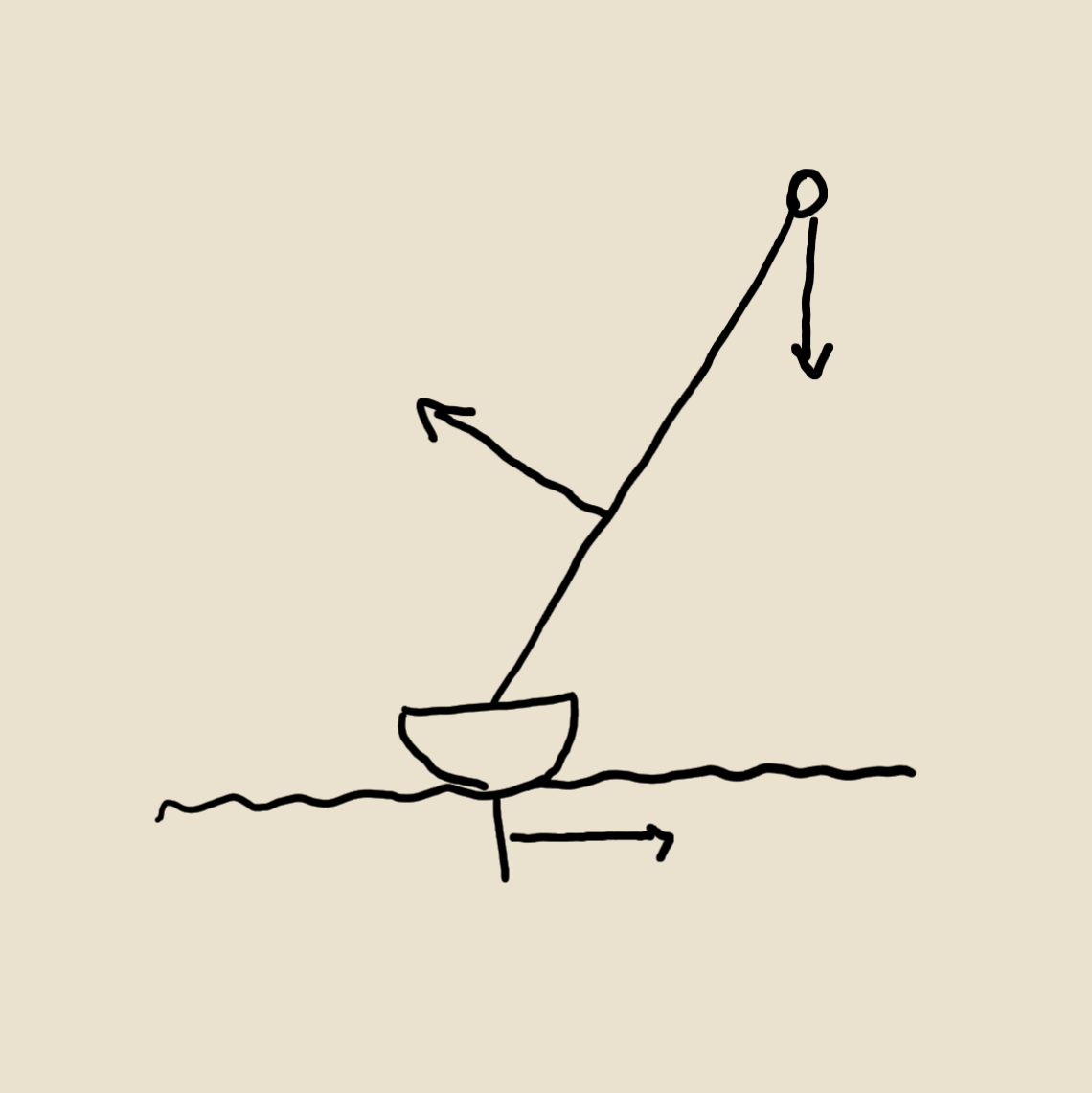
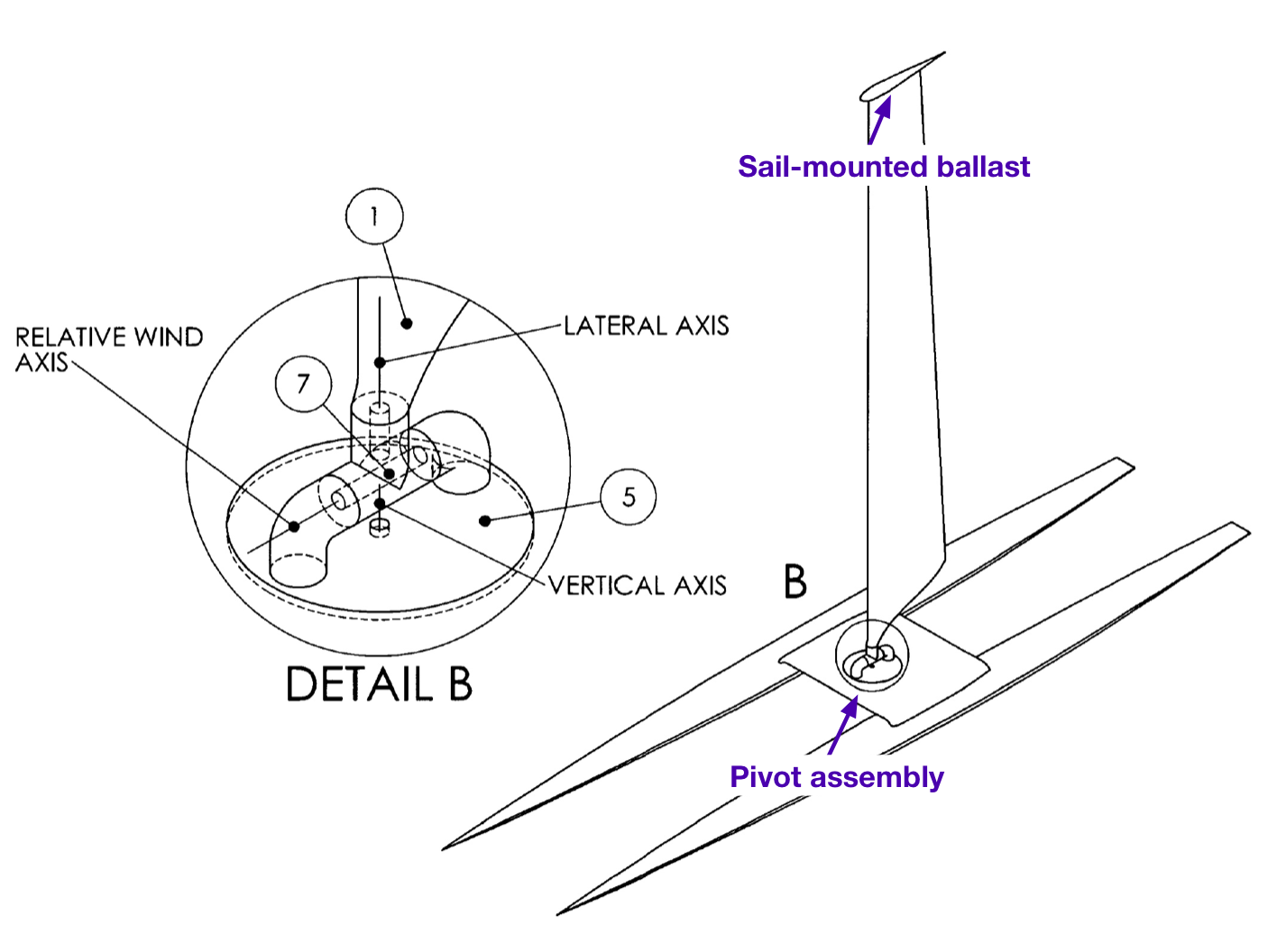
A critical look at the aerohydrodynamics of existing high-speed sailboats inspired the creation of an advanced and highly efficient balancing mechanism called aeroballast.

The patent application for aeroballast was submitted in early 2007 and culminated with the issuance of US Patent No. 7,568,442 in late 2009.

You might fairly be expecting a portmanteau of radical and boat. But rather, the name is rooted in the name of a small mountain in the Czech republic, Radhošť, itself based on the name of the ancient Slavic god of hospitality, Radegast.
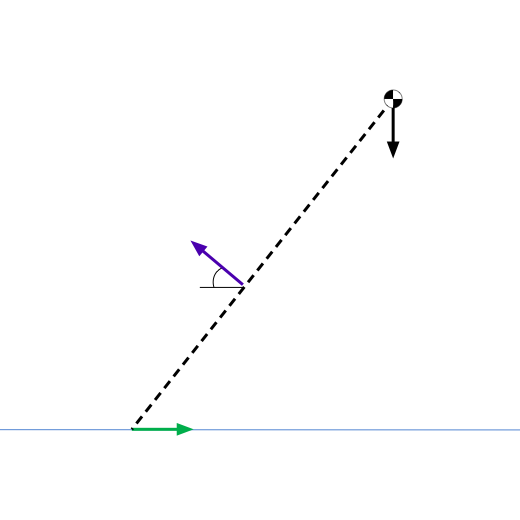
The ensuing years saw the theoretical groundwork laid for the unique efficiency comparison presented in our White Paper, inspiring the design of a proof of concept.
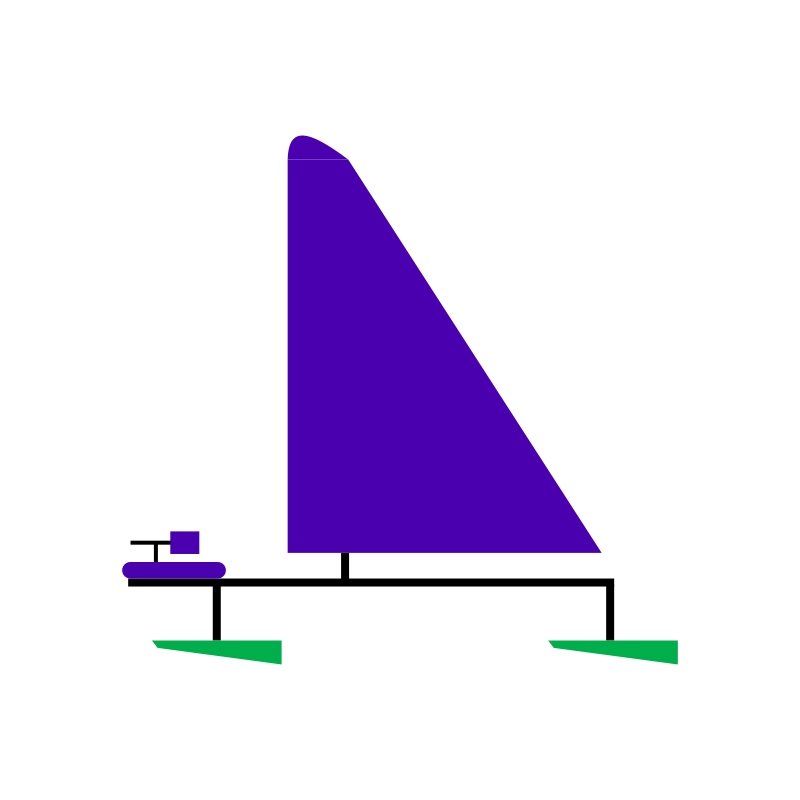
Practical concepts for the launch and handling challenges unique to the high-speed and statically unstable aeroballast design took shape, paving the way for real-world testing.

Radboat LLC was officially founded for a single reason, to design the fastest sailboats in the world.

A semi-autonomous 1:10 scale research model is being used for validating launch and handling procedures and evaluating sailing characteristics.
Sailing speed records are sanctioned and maintained by the World Sailing Speed Record Council. We aim to break the following three with our proof of concept in the near future, demonstrating the ability of an aeroballast design to achieve and maintain supercavitating speeds in coastal as well as offshore waters.
An average speed over 500 m measured using either GPS or video timing equipment, demonstrating the fastest burst of speed a sailboat can achieve. Our goal:
Similar to the outright record, but over an increased distance of 1852 m, demonstrating that a sailboat can sustain speeds for close to a minute. Our goal:
Over the maximum distance traveled in 24 hours, demonstrating seaworthiness at speed in the heavy wind and sea states encountered offshore. Our goal:
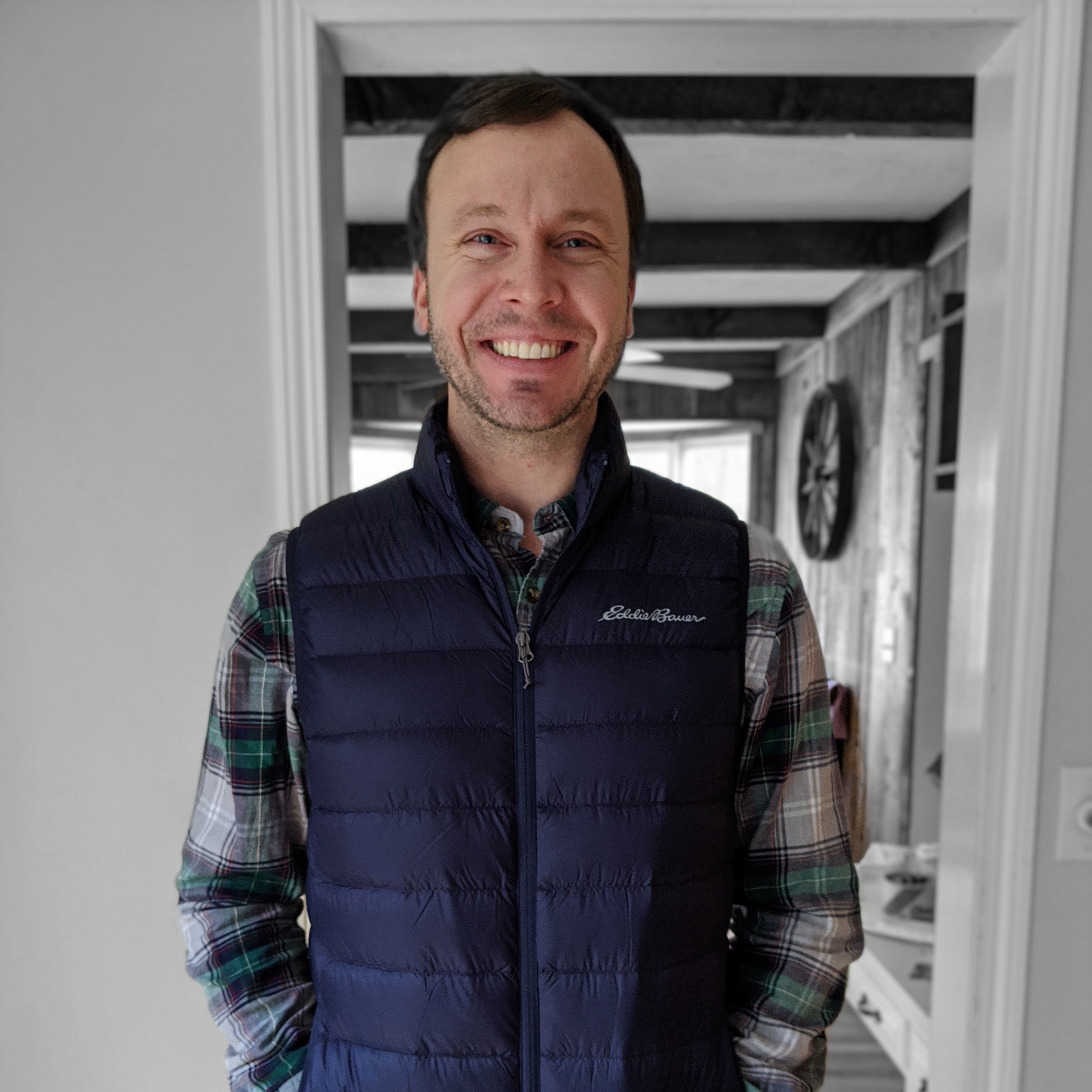
Founder and Inventor
'Like nearly every sailing quest, mine begins at a marina... in Japan. While stationed there some 5 years removed from any serious sailing, a nostalgia of sorts grew into a romantic preoccupation with living aboard a sailboat. And not just any old sloop, but something faster like one of the trimarans I remembered from offshore races. So when I approached the manager of a nearby marina intending to rent a slip as such, he delighted me with an illuminating comparison of cruising and racing trimarans, illustrating his points by penciling front views side-by-side. He capped off the discussion by opening a nearby magazine to a photo of Ellen MacArthur's B&Q trimaran, and I remember feeling a rush of awe and excitement. Yet, something else struck me: some of the superstructure wasn't streamlined, an essential aspect of aeronautical design fresh on my mind from university. I never did end up living aboard a sailboat, but I left that afternoon captivated by the design of high-speed sailboats and remain so to this day.'
Before starting Radboat®, Alan served in various engineering capacities within the DoD. When he's not developing elegant solutions to engineering problems, you can find him enjoying the outdoors.
Radboat® was founded with the singular ambition to design and build the fastest sailboats in the world for sport as well as the open ocean. If that idea excites you, too, then we should talk. While we develop our proof of concept, we are actively seeking partnerships involving technology licensing and sponsorship for speed record attempts. And we are soliciting volunteers from universities in close proximity to the Willamette Valley in Oregon. If any of this piques your interest, please email or call at the number below.